
























































How to make Better Inventory Decisions with Zoho Inventory and Zoho Analytics?
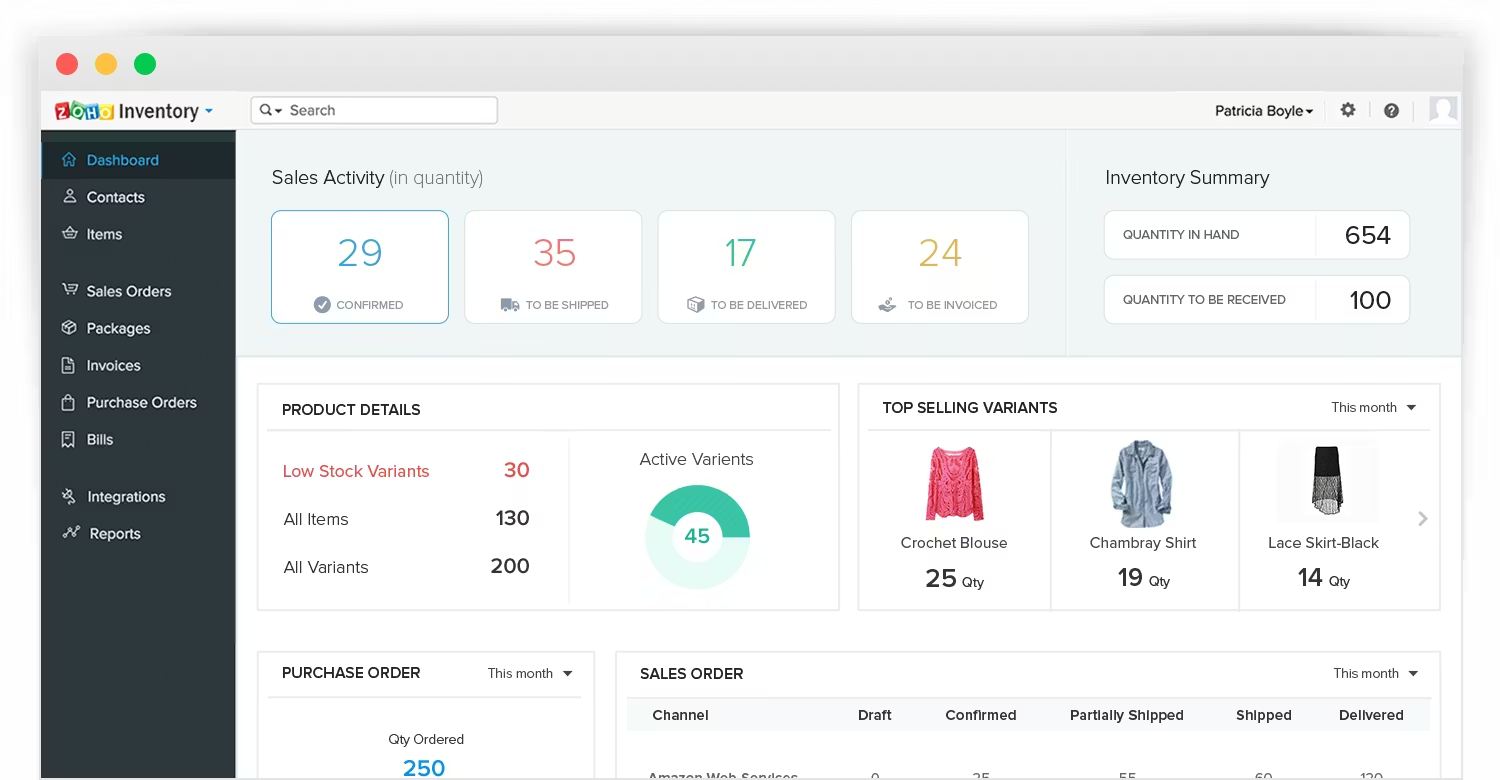
Businesses invest in inventory management with the goal of keeping their operations running smoothly. Regardless of the industry, managers prioritize better visibility into their stocks and whether the company can fulfill the orders of customers on time. With Zoho Inventory, teams can get a reliable view of their stock, orders, and movement. This helps them stay organized even when daily activities pick up momentum.
The challenge usually appears later. As product lines expand and order volumes increase, inventory management decisions carry more weight. Stock levels at this stage affect the cash flow of the company. The accuracy of their planning and service commitments also depends on how they manage inventory. At that point, teams no longer ask only what is presently available. They try to understand how inventory behaves over time and how those patterns influence the business.
When inventory data fails to tell the full story
In growing organizations, inventory issues are rarely obvious. There may be no system errors or missed orders. Instead, small inconsistencies begin to add up. Certain items run out more often than expected. Others occupy space in the warehouse for months. While the sales figures appear financially healthy, the working capital becomes tighter.
These situations are difficult to address using standard inventory views. Reorder levels and stock summaries explain the current status but provide little insight into trends. Teams begin asking questions that require context:
- Are shortages related to changes in demand or delays in supply?
- Which products consume most of the capital?
- How do inventory levels and turnover change on the basis of different seasons, locations, or sales channels?
How Zoho Analytics adds perspective
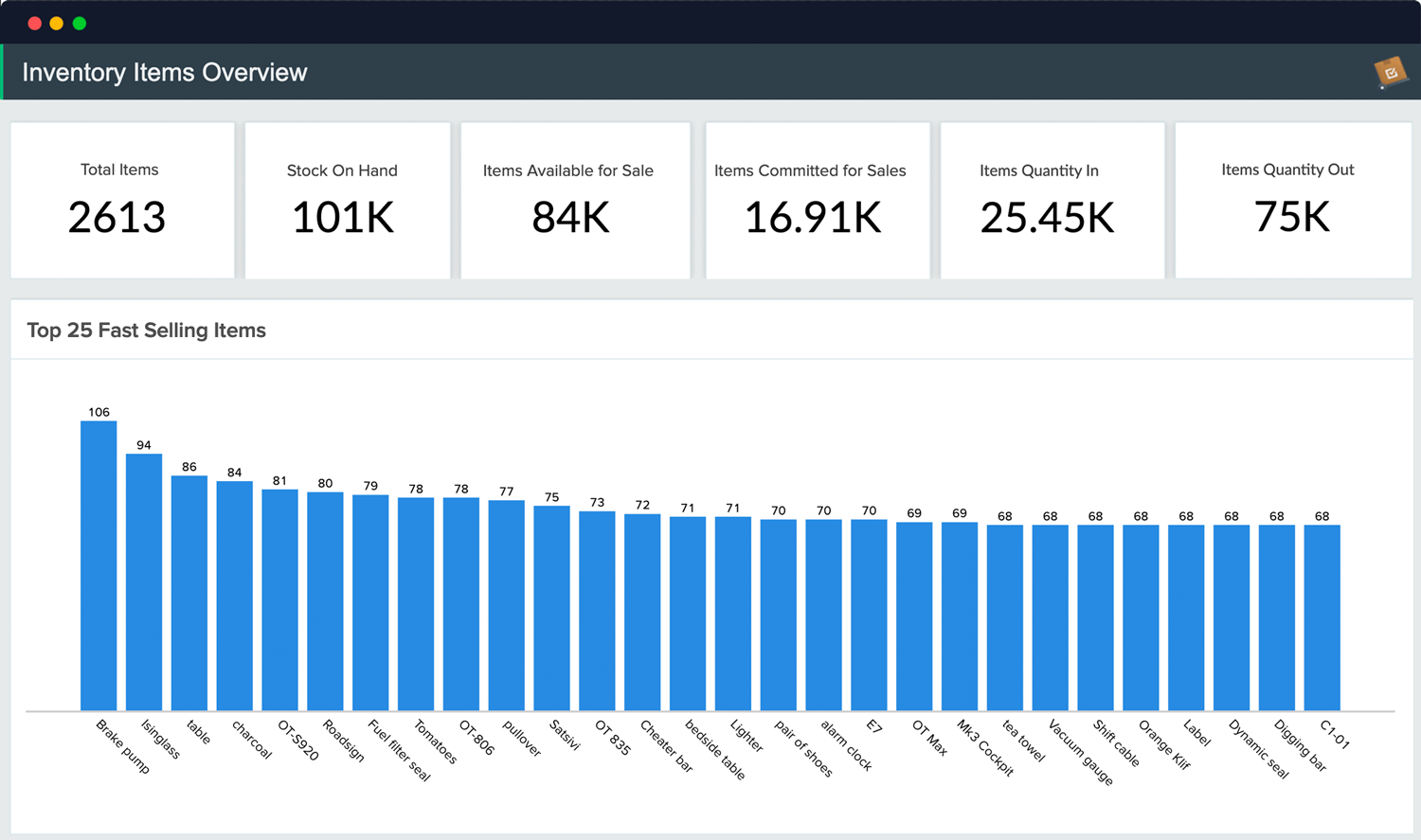
In most cases, inventory management requires a better understanding than control. This is where Zoho Analytics becomes valuable. It does not replace Zoho Inventory or change how teams manage stock day-to-day. However, it offers a way to evaluate inventory data in relation to sales and purchasing activity over time.
Zoho Analytics evaluates inventory movement alongside buying patterns and order history. It helps teams gain a clearer perspective on ongoing activities. For instance:
- Products that appear healthy in isolation can be evaluated in terms of turnover and value
- Decisions on replenishment can be reviewed against historical demand rather than only recent activity
The benefit is practical, as teams spend less time gathering reports. Instead, they can focus on discussing what the numbers are actually telling them. In these situations, decisions are based on evidence rather than assumptions from limited views.
From reacting to stock issues to planning with confidence
Without analytics, inventory decisions tend to be reactive. Stockouts often lead to urgent purchases. Excess inventory can force businesses to offer discounts and thereby clear their stocks. While these actions solve immediate problems, they rarely prevent them from recurring.
With Zoho Analytics, recognizing patterns becomes easier. For instance:
- Slow-moving inventory stands out earlier
- Planning discussions become more concrete and less dependent on intuition
- Demand shifts are visible before they affect fulfilment
In this way, Zoho Inventory continues to strengthen execution, while analytics offer foresight. Together, they help businesses move forward with confidence.
Why choose Xponential Digital
At Xponential Digital, professionals prioritize making analytics useful for businesses. We design inventory analytics around real business challenges, incorporating Zoho Analytics to help teams evaluate data and make informed decisions. This empowers organizations with clear, practical insights that streamline inventory planning and drive better outcomes.







 Xponential Digital