






















































How Zoho One 25 Helps Businesses Simplify Operations and Control Technology Costs
As businesses grow, their systems tend to grow sideways. New tools are added to solve specific problems, and teams adapt their own workflows. Soon, stored information gets distributed across too many places. This often leads to a coordination issue while accessing crucial information.
Today, business leaders aren’t looking for more software, but they want fewer gaps between how teams work and how systems support them. This is where platforms like Zoho One can address the challenges. It’s not meant to replace how organizations think, but can bring structure back to everyday operations.
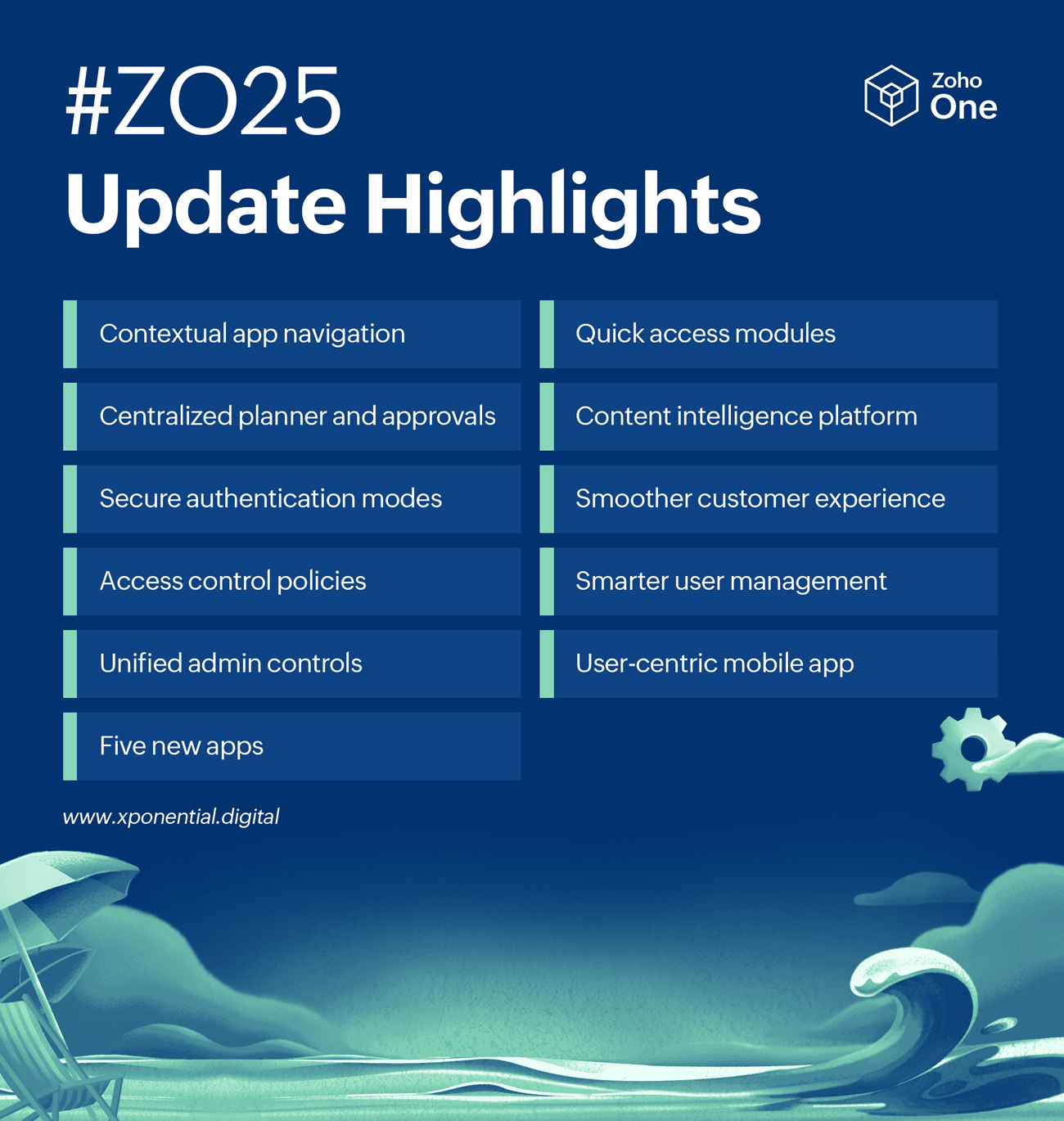
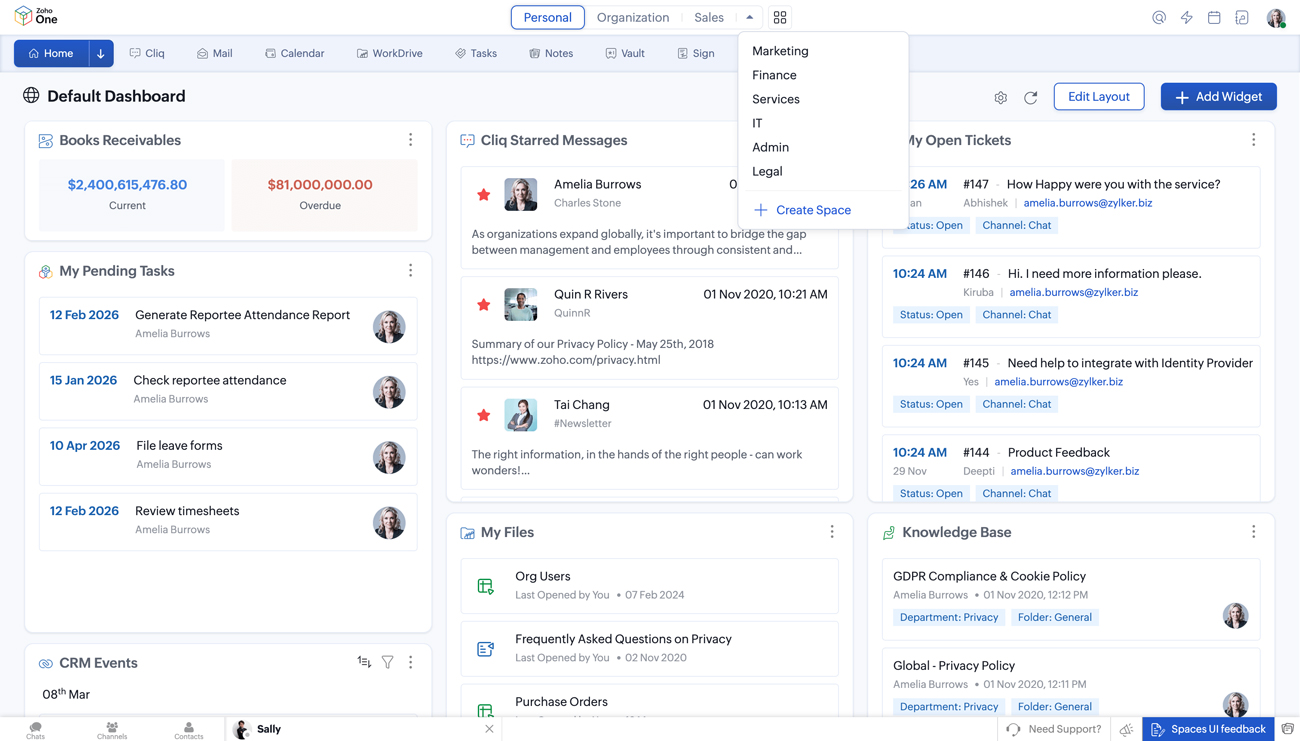
The release of Zoho One 25 has further streamlined how teams work. It makes the experience unified with stronger administrative control. These intelligent systems help teams stay competitive amid challenges.
Why an All-in-One Platform Needs Proper Direction
It’s true that an integrated platform simplifies processes. However, teams can be overwhelmed without the right setup. In a scenario where sales, finance, HR, marketing, and operations work under one roof, decisions made in one area can affect another quickly. However, teams can capitalize on this strength only when connections are intentional.
This is where experience matters. A consultant isn’t responsible for turning on features. They must:
- Understand how the business runs today
- Point out the challenges
- Resolve the issues
That’s why business heads must understand how a Zoho One Consultant improves business value and cost efficiency. It’s crucial to match tools to real workflows. This approach implies teams would be spending less time understanding systems, channelling their efforts to doing their work.
Turning Features into Productivity
Today, AI platforms offer a wide range of capabilities. These include:
- Unified dashboards
- Faster navigation
- Shared workspaces
- Inbuilt intelligence
- Stronger administrative controls
While these features sound impressive, the value shows up in smaller moments in practice. Therefore, the goal should be to use the right features consistently, but most teams try to use everything.
Reducing Operational Noise for Administrators and Teams
From an administrative perspective, unified platforms simplify work that often goes unnoticed. These include:
- User management
- Access control
- Integrations
- Offboarding
When these processes are fragmented, small changes create unnecessary effort across teams.
Centralized administration brings clarity to the system. New users are onboarded faster, and departures are handled cleanly. Integrations don’t need to be rebuilt repeatedly. Over time, this reduces hidden costs that rarely appear on budgets but show up in lost time and delayed decisions.
This approach enhances security, too. It turns clear visibility into activity and access makes governance part of normal operations, and it no longer remains a reactive task.
Intelligence That Supports Work
Built-in intelligence works best when it stays in the background. Teams stay focused when they can access features like:
- Summarizing information
- Answering context-based questions
- Pointing users to relevant data
It reduces switching between tools and searching through files. Therefore, restraint is the key. Intelligence is meant to assist, and not distract teams. When implemented thoughtfully, it becomes another layer of support.
Why Implementation Experience Makes the Difference
No two organizations operate the same way. Therefore, the way systems should be configured depends on the industry, scale, internal structure, and growth stage. This is why working with a Zoho Advanced Partner like Xponential Digital matters.
Why Choose Xponential Digital
Xponential Digital works with organizations to translate AI capabilities on Zoho into practical value. Their approach is based on understanding how teams actually operate and configuring systems to support that reality. These experts prioritize long-term efficiency, clarity, and cost control.
If you’re planning to optimize your business systems without adding complexity, connect with Xponential Digital for structured implementation.







 Xponential Digital