

























































How the Right Metrics Can Improve Hiring Outcomes in 2026
Every new year brings a renewed sense of intention for hiring teams. It’s all about the motivation to perform better and hire smarter. In January, when the calendars are open for the year and plans seem manageable, the goals are clearer. However, as the year progresses, the hiring process often becomes reactive. The number of open roles increases, and priorities begin to shift. HR professionals consider making decisions based on urgency and not reflection.
This is where HR teams must rely on data to understand what’s happening inside the hiring process. In 2026, smarter hiring will come from prioritizing the right insights, not from tracking more metrics.
Start with the right questions
Useful hiring data always begins with clarity. Before opening dashboards or exporting reports, teams need to ask what they are trying to learn. Consider asking:
- Was hiring slower for certain roles?
- Did strong candidates drop out midway?
- Were recruiters stretched too thin during peak months?
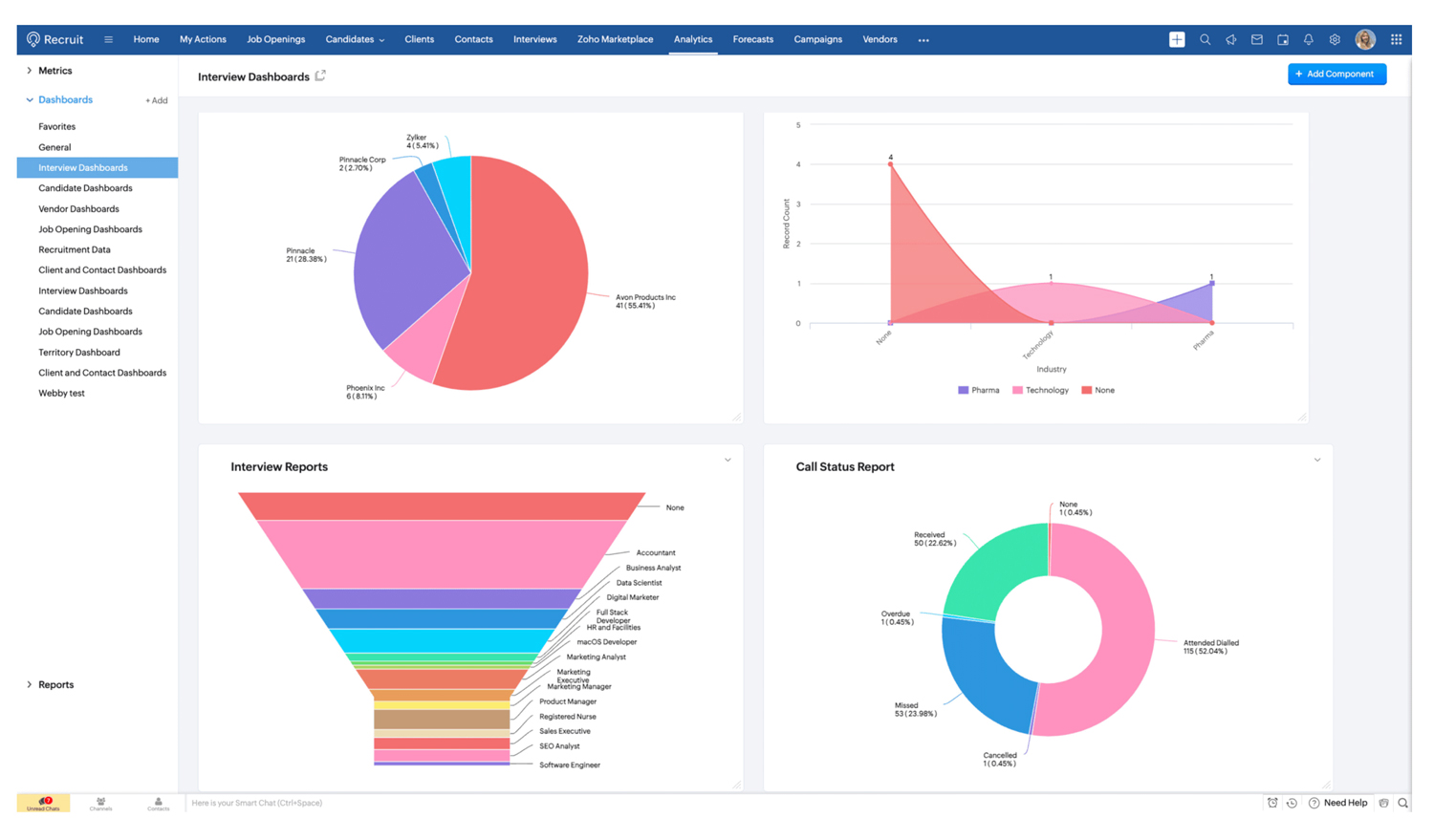
When these questions guide reporting inside Zoho Recruit, it becomes easier to interpret data. Numbers should not be reviewed individually. Teams must connect the outcomes to the decisions they had made earlier in the hiring process.
Focus on metrics that influence decisions
Some recruitment metrics look impressive but offer very little value. For instance, consider the volume of applicants. A large number of applications can hide deeper problems, like poor role fit or ineffective screening.
More meaningful metrics show how hiring actually proceeded. These may include:
- How long the roles stayed open
- Where candidates exited the process
- How new hires performed after joining
When time-to-fill is reviewed along with retention or early performance, the patterns become harder to ignore. Faster hiring does not always mean better hiring, particularly when quality gets compromised later.
Look at the hiring journey comprehensively
HR teams understand that the hiring process weakens gradually, not instantly at one point. They may notice delayed feedback, longer time required to schedule interviews, and inconsistent communication. While these cases seem minor individually, they pose hurdles together that candidates feel immediately.
Here’s how teams can gain a more realistic perspective on hiring actually feels from the outside:
- Reviewing the experience of candidates
- Evaluating sourcing performance
- Understanding the workload of recruiters
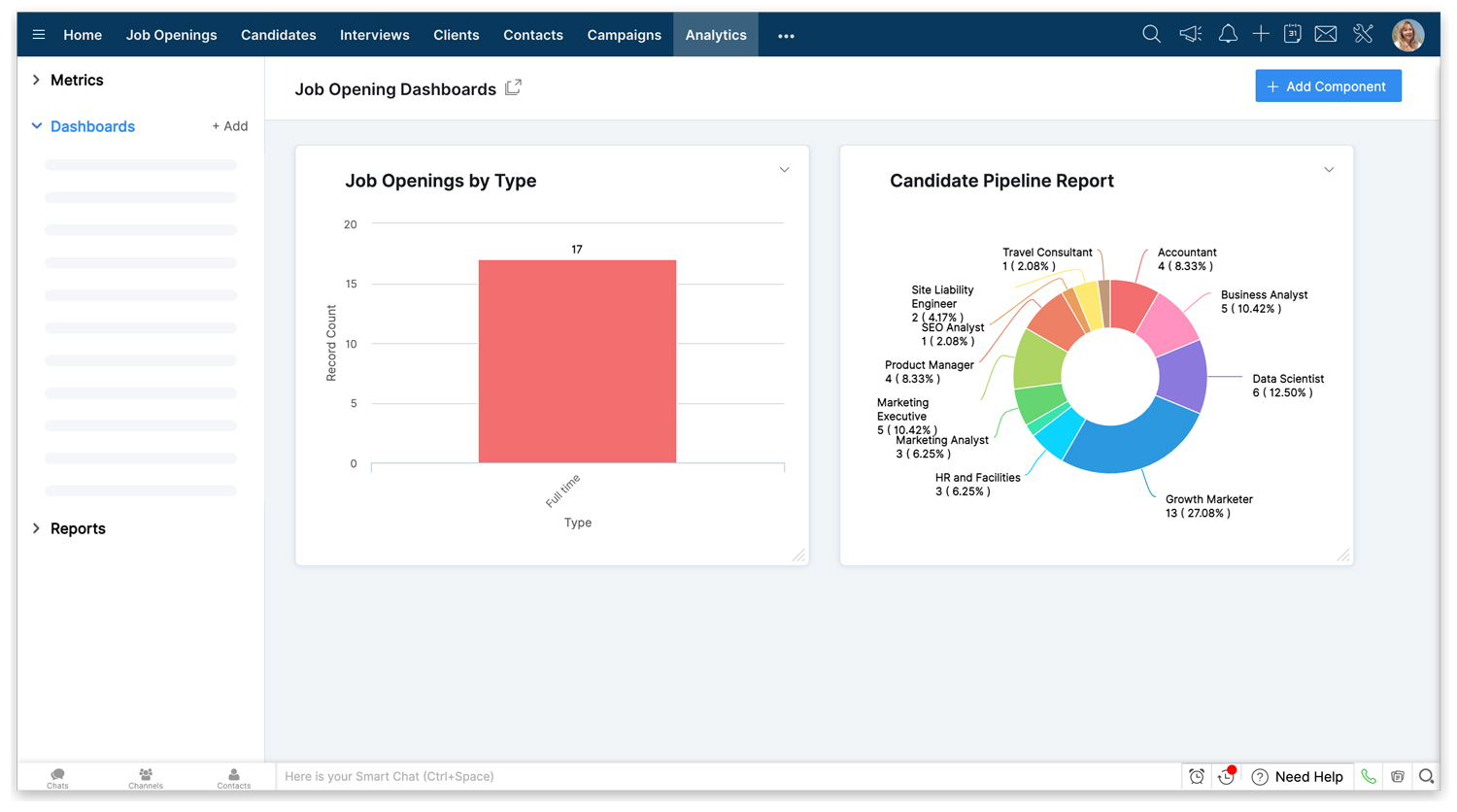
Reports within Zoho Recruit often point out the channels that deliver consistent quality. This kind of visibility helps teams be more prudent when it comes to managing their time and budget.
Use automation with intent
Currently, recruiters are capitalizing on the power of automation to streamline the hiring process. Speed isn’t the real benefit, it’s consistency. The following features can reduce avoidable delays that often frustrate candidates:
- Automated screening
- Automated scheduling
- Automated follow-ups
Reviewing automation impact inside Zoho Recruit helps teams see where time was genuinely saved and where human judgement remained essential.
Make reporting a habit
The biggest improvement in hiring does not come from new tools, but regular reflection. HR managers must review hiring data on a monthly basis to make the most of the insights. With small check-ins instead of annual reviews, they find it easier to detect issues early and adjust before problems intensify.
Over time, the patterns become familiar, and decisions feel steadier. HR professionals focus on shared understanding rather than assumptions.
Why choose Xponential Digital
At Xponential Digital, experts help HR professionals make recruitment data usable. We help teams translate hiring reports into insights that they can use to make practical decisions. Our professionals align reporting with the process through which teams actually hire. With Xponential Digital, hiring data translates to conversations, better planning, and more confident strategies.







 Xponential Digital