













































One Zoho ERP Platform.
Every Sales Channel, in Sync.
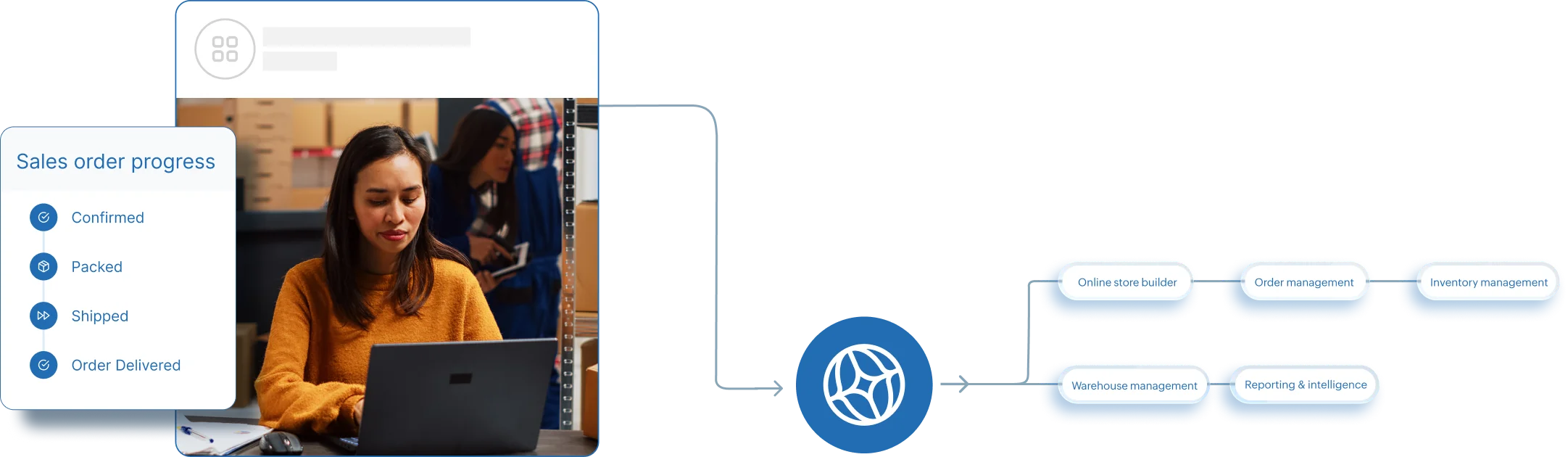
Zoho ERP unifies your online, offline, and marketplace operations syncing inventory, orders, and customer data in real time.
Zoho ERP: Best Omnichannel Commerce Solution

Solutions Overview

Zoho ERP Solution: Unifying Your Sales Channels

When your sales channels remain disconnected, customer experiences may turn inconsistent. Mismatches in inventory can also jeopardize the system. Online brands and eCommerce platforms are increasingly turning to the Zoho ERP omnichannel commerce solution.

The system unifies online, offline, marketplace, and distribution operations into a single operational framework. This Zoho ERP unified commerce platform for growing brands helps you synchronize inventory, orders, customer data, and financial reporting in real time.
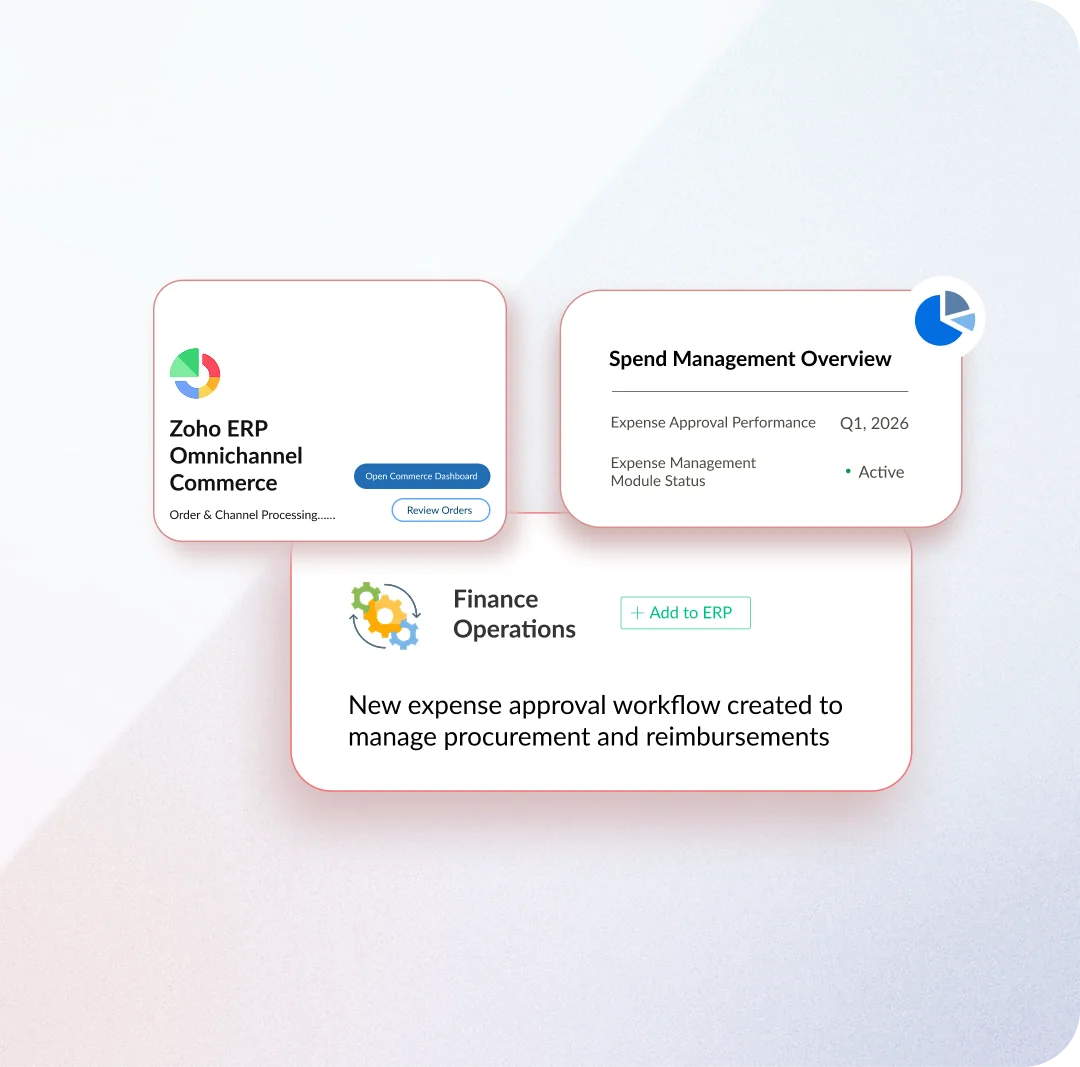
Key Features

Global Multi-Store Inventory Visibility

Centralized multi-channel order management

Real-time synchronization of inventory

Unified visibility of customer data

Integrated workflows for returns and refunds

Business Benefits

Unified 360-Degree Customer Insights

Consistent customer experience across different channels

Reduced chances of stock discrepancies and overselling

Faster fulfilment and order processing

Improved revenue and visibility of margin

Who It’s For

Global Wholesale & Distribution Firms

Retail brands that are expanding their online and physical stores.

High growth D2C businesses manage increasing online sales and operations in warehouses.

Enterprises looking for centralized visibility across multi-location inventory networks.

Scaling brands struggling to standardize customer engagement across various channels.

Operations leaders who need integrated reporting to track cross-channel performance.
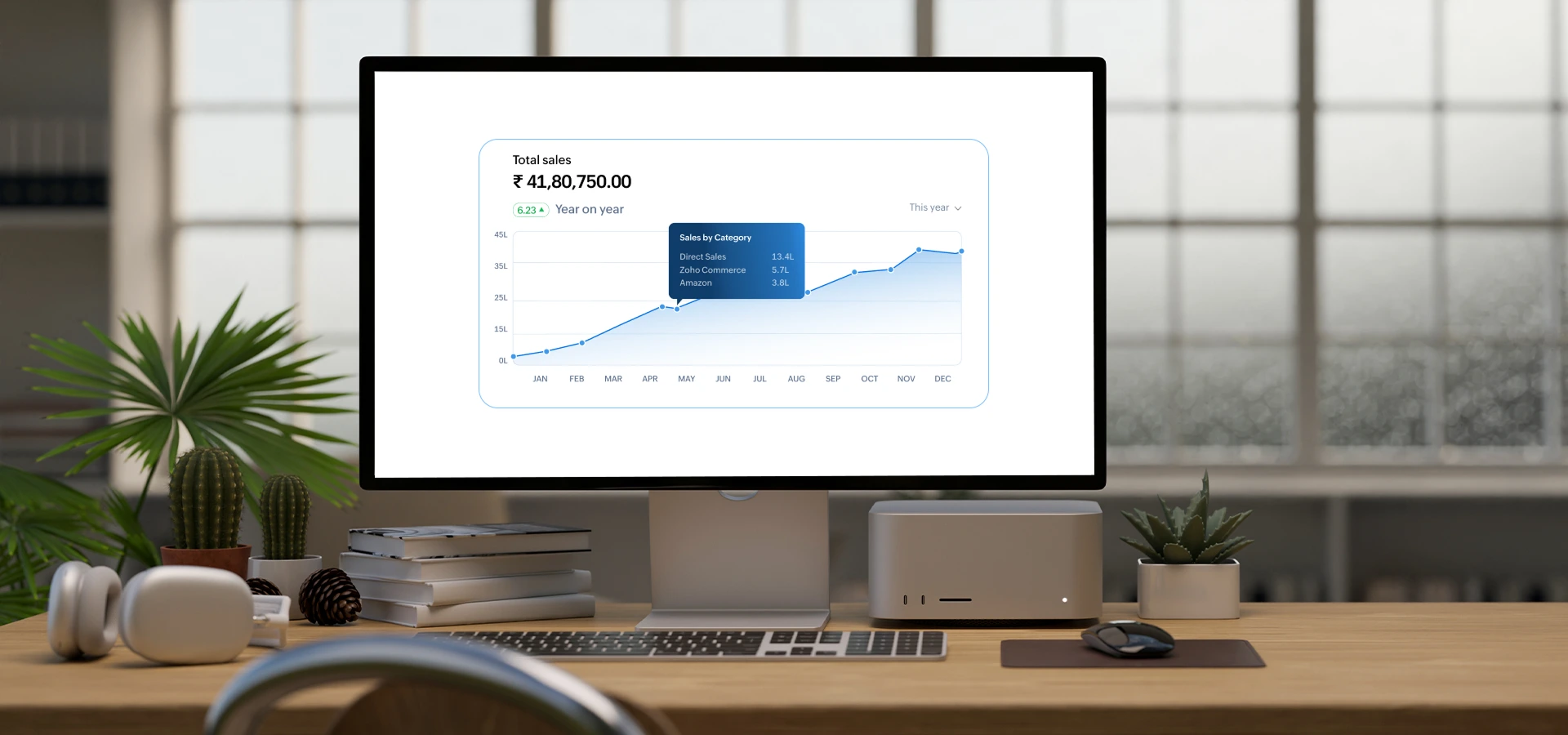
Zoho ERP: Best Omnichannel Commerce Solution

Integrations

Interconnected CRM & Finance Modules

Connectivity with eCommerce platforms

Integration with the marketplace and POS system

Synchronization with payment gateways

Integration with logistics and shipping partners

Turn disconnected sales channels into one seamless commerce engine with Zoho ERP.

Why Us?

Why Xponential?

As a certified Zoho ERP omnichannel implementation partner, we design structured commerce ecosystems customized to your growth trajectory. We continue to be a reliable Zoho ERP omnichannel commerce consultant for businesses. Our team specializes in developing workflows for each channel, fulfilment rules, and reporting structures, considering your operational model. With us on your side, you can build a scalable omnichannel architecture that maintains the accuracy of data and ensures customer satisfaction. Our team prioritizes long-term efficiency rather than short-term alignment of the system.

Xponential Digital: Zoho Premium Partner

We're a Certified Zoho ERP Partner, accelerating your digital transformation with confidence.

What our clients say

Frequently Asked Questions
1. How can Zoho ERP help manage inventory across multiple online marketplaces and retail stores?
Zoho ERP manages inventory through applications such as Zoho Inventory, which connects stock data across warehouses, online marketplaces, and retail locations. When a product is sold through one channel, the stock quantity updates across all connected platforms automatically. This helps prevent overselling and keeps inventory levels accurate. Businesses can also track stock transfers between warehouses and stores from a single dashboard.
2. How does Zoho ERP synchronize orders from different sales channels automatically?
Zoho ERP integrates with e-commerce platforms, POS systems, and marketplaces through native integrations or APIs. When a customer places an order on any channel, the order details are automatically recorded inside the ERP system. The system updates inventory levels, generates invoices, and sends the order to fulfillment workflows. This allows businesses to process orders from different channels without manual data entry.
3. Is Zoho ERP suitable for retailers selling through both physical stores and e-commerce platforms?
Yes. Zoho ERP works well for businesses operating both online and offline sales channels. Retailers can manage POS sales from stores while also tracking orders from websites and marketplaces. Customer records, product information, inventory levels, and financial data remain connected across all channels. This allows businesses to manage retail operations without using separate systems.
4. How does Zoho ERP support scaling for growing online and offline retail businesses?
As a business grows, Zoho ERP allows additional sales channels, warehouses, and users to be added without changing the entire system. Businesses can expand into new marketplaces, add retail stores, and introduce automated workflows for order processing and inventory management. Reporting dashboards also help management track sales performance, stock movement, and revenue across different channels.
5. What should businesses check before implementing Zoho ERP for omnichannel commerce?
Before implementation, businesses should review their sales channels, inventory structure, warehouse locations, and order processing workflows. It is important to identify which platforms will be connected, such as Shopify, Amazon, POS systems, or custom websites. Businesses should also review integration requirements, data migration needs, and reporting requirements to make sure the ERP system supports their operational structure.
6. Can Zoho ERP automate order processing and fulfillment for omnichannel businesses?
Yes. Zoho ERP can automate several stages of order processing. Once an order is received, the system can automatically update inventory, generate invoices, assign the order to fulfillment teams, and initiate shipping workflows. Integration with shipping platforms allows tracking information to be updated inside the system, giving businesses visibility over the entire order lifecycle.
7. How do companies connect Zoho Inventory, Zoho Books, and Zoho CRM for omnichannel sales management?
These applications are connected through the Zoho ecosystem. Zoho CRM manages customer information and sales interactions, Zoho Inventory handles products and stock levels, and Zoho Books records financial transactions. When an order is placed, the system can automatically create sales orders in Inventory, generate invoices in Books, and update the customer record in CRM. This keeps customer data, financial records, and inventory information synchronized.
8. What are the advantages of using Zoho ERP instead of separate tools for e-commerce, inventory, and accounting?
Using a unified ERP system reduces manual data entry and minimizes errors caused by disconnected systems. Businesses can manage sales, inventory, finance, and customer data from a single platform instead of switching between different tools. It also improves visibility for management, since reports and dashboards can combine operational and financial data from all sales channels in one place.

Get in Touch With Us

Contact us today by filling out the form or sending an email to
WhatsApp Icon
Xponential Digital Logo Xponential Digital
WhatsApp Icon Start Chat